Inside the Aquascope
A behind-the-scenes look at curiosity, craftsmanship, and careful progress
Some exhibits arrive all at once—labels polished, cases filled, stories neatly tied with a bow.
Others take their time.
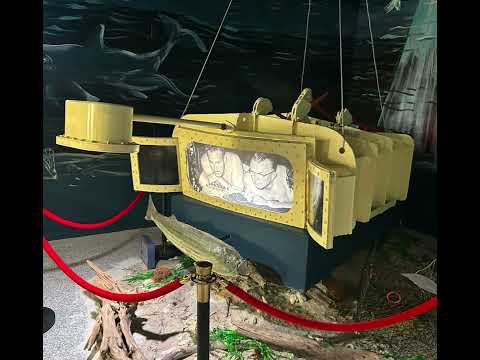
The Gilbert Klingel Aquascope exhibit belongs firmly in the second category.
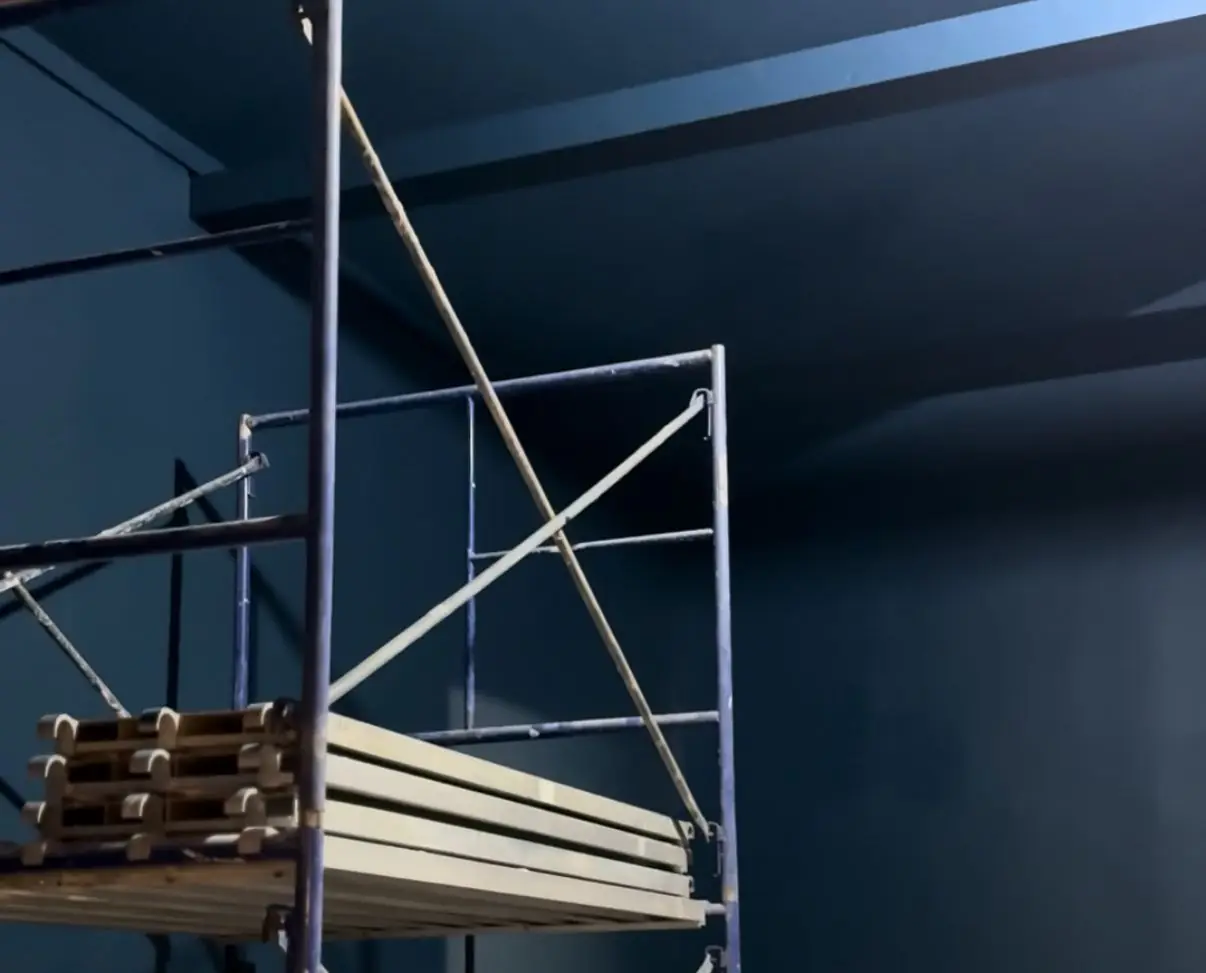
From the outside, progress can look quiet. A table cleared. A tool moved. Notes scribbled and rewritten. But inside the museum, something steady has been unfolding: careful research, thoughtful decisions, and a deep respect for the kind of curiosity Klingel himself embodied.
Gilbert Klingel was not just an inventor or artist—he was a patient observer. The aquascope, one of his most fascinating creations, reflects that mindset perfectly. It was designed not to dominate nature, but to notice it more closely.
That same philosophy is guiding the exhibit’s development.
As we work through the Aquascope exhibit, questions matter as much as answers. How do we show process, not just product? How do we invite visitors to slow down, look longer, and understand why this object mattered—not only what it is?
Much of the work happens behind the scenes: examining materials, testing display approaches, researching Klingel’s broader body of work, and thinking carefully about how to make a technically intriguing object accessible to visitors of all ages.
There’s a temptation in museums to rush toward completion. But some stories ask for patience. This is one of them.
The Aquascope exhibit is still taking shape, and that’s intentional. It’s being built with the same spirit that created the object itself—curiosity first, polish later.
We’re excited to share more as the exhibit develops, and we look forward to inviting visitors into a space that celebrates not just invention, but the quiet joy of looking closely.
Sometimes, the most interesting part of a museum isn’t what’s finished—it’s what’s becoming.